

Phenotype-specific omic expression patterns in people with frailty could provide invaluable insight into the underlying multi-systemic pathological processes and targets for intervention. Classical approaches to frailty have not considered the potential for different frailty phenotypes.
We have finally published our findings from 8 years of clinical research, 12 million Euros from Horizon 2020, 20 partner institutions, countless contributors and some amazing science (and one of the coolest consortium logos ever) [1]. The study talks about how a strong machine learning approach was used to find biomarkers for frailty and how they can be used to tell the difference between different types of frailty (with and without disability). The frailty phenotype looks at a lot of different biological factors that might be causing the syndrome. These biological factors include hormones and endothelial function. Other theories about frailty don't look at as many biological factors that might be causing the syndrome. The analysis included among 35,312 omic markers selected based on their relevance to aging and included metabolism, inflammation, regulation of cell proliferation, regulation of gene expression, muscle dysfunction, insulin/IGF-1 pathway, stress responses, and cardiovascular homeostasis [2].
Our study has some flaws. For instance, the fact that our results aren't all the same probably means that the groups of people who participated in the study had different traits. Not only do the different groups have different culture and socioeconomic backgrounds, but they may also have different types of frailty. Our work is the first large-scale test of these ideas in the context of getting older and being frail.
What did we find? Three key frailty biomarkers demonstrated a statistical association with frailty (oxidative stress, vitamin D, and cardiovascular system) with relationship patterns differing depending on the presence or absence of a disability.
References






Concerns about readiness of the European Medicines Agency’s (EMA) Clinical Trials Information System persist as the.
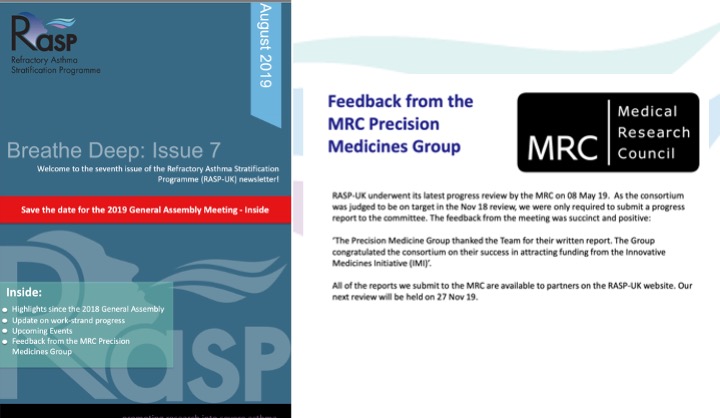
Welcome to the seventh issue of the Refractory Asthma Stratification Programme (RASP-UK) newsletter

Finding the best vehicle in which to publish your research findings is a perennial challenge.


Rational Vaccines (RVx) announces MHRA Innovation Licensing and Access Pathway (ILAP) approval for their live attenuated.


Get our latest news and publications
Sign up to our news letterResources
Social


Contact us
Address
Niche Science & Technology
Unit 26 Falstaff House
Bardolph Road
Richmond TW9 2LH
United Kingdom
